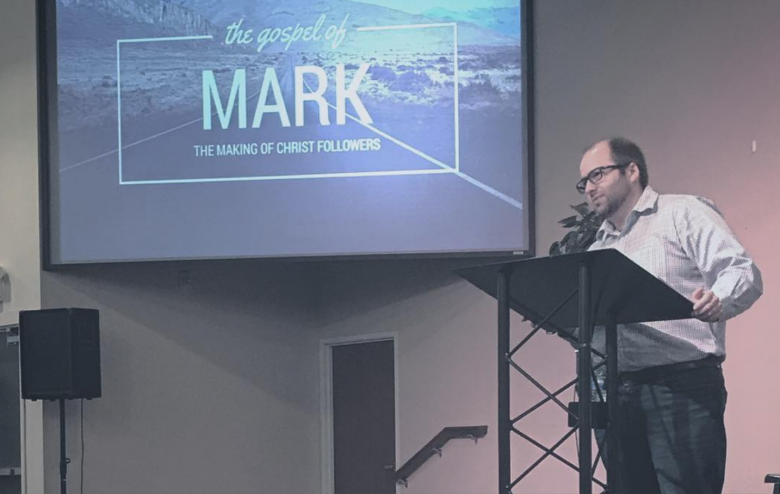
 Tavis Bohlinger
I have always appreciated reading and listening to those scholars who have both a command over the relevant, classical languages and a direct knowledge of the primary sources in their disciplines.

We had the great honor of interviewing Noam Neusner recently about his experiences growing up as the son of the most prolific author and scholar in history, Jacob Neusner. Noam offers here some sound advice and fascinating insight that every one of...

Words by Grace Emmett; photos by Tavis Bohlinger (De)Constructing Masculinity, a conference exploring ancient constructions of masculinity through interdisciplinary conversations between the disciplines of Classics and Theology, took place at King’s...
Although I am presently working as a local pastor, and not doing as much scholarly work right now, I learned a lot from my time at the University of Edinburgh during my PhD. As I reflect back on scholars and peers that I respect and consider what...
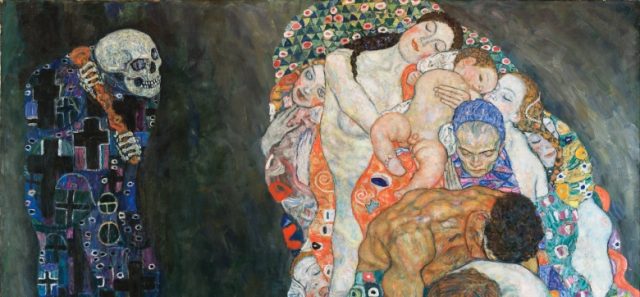
Essay by Genevieve Scheele* Introduction The history of biblical exegesis and hermeneutics is not without controversy, and the apostle Paul’s Epistle to the Romans is no exception. It has more allusions and quotes from the Hebrew Bible than any...
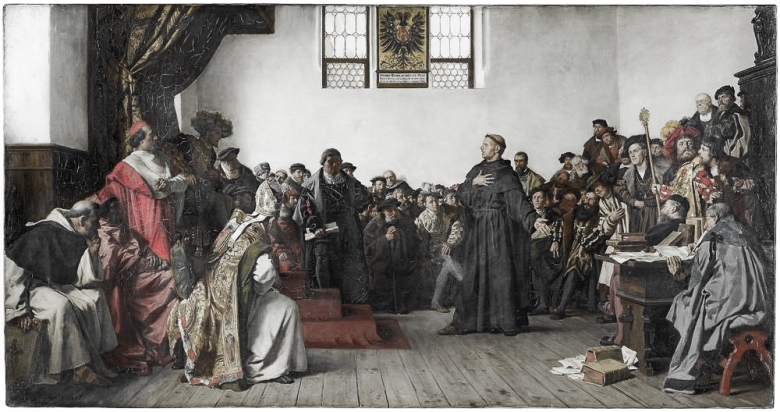
The Reformers are for most people either the best thing to ever happen to Christianity or the worst. Vain is the attempt to find middle ground perspectives, where the men who died 500 years ago are considered with a mere shrug of the shoulders...
What makes a good biblical scholar or theologian? What advice would I give students—or have given myself 10 years ago—looking into advanced degrees? For those who are interested or who just compulsively read this blog, here are five suggestions amid...

Thomas Schreiner’s BECNT commentary on Romans has just undergone a major revision from the first edition, released 20 years ago. The second edition is a whopping 944 pages of thorough exegetical work, updated with the latest scholarship on...

I think the answer to that question can only be measured based on output. Good scholars can be recognized either through their writing or through their teaching.
by Ryan Lytton *Editor’s note: This is the second of two Fuller Seminary interviews conducted by Ryan Lytton (the first interview was with Amos Yong). He recently had the opportunity to interview Christopher B. Hays, who is the D. Wilson Moore...

I took the first steps of my journey to becoming a biblical scholar because I believed, as I still do, that the Bible is the Word of God, and that as a person of faith, I had an obligation to listen to its words and submit to its authority.

Photography by Tavis Bohlinger* Welcome to the first in a new series on the Logos Academic Blog (theLAB), in which we discuss everything but the actual content of a book. Design Showcase is a series of interviews with both publishers and designers...
A good theologian knows what they are doing and why they are doing it, asking the vocational questions of what it means to be a theologian and what it means to do their task well. A good theologian keeps these questions close at hand, since they...
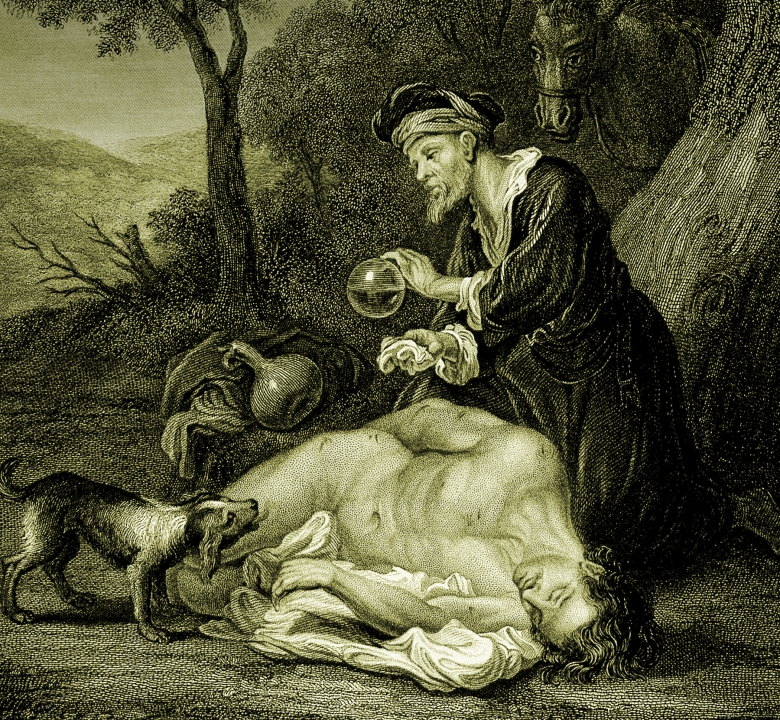
Would you invite a complete stranger into your home? Would it make a difference what color their skin, the language they spoke (or didn’t), or the clothes on their back? How would your answers change if you knew the full depth of biblical...
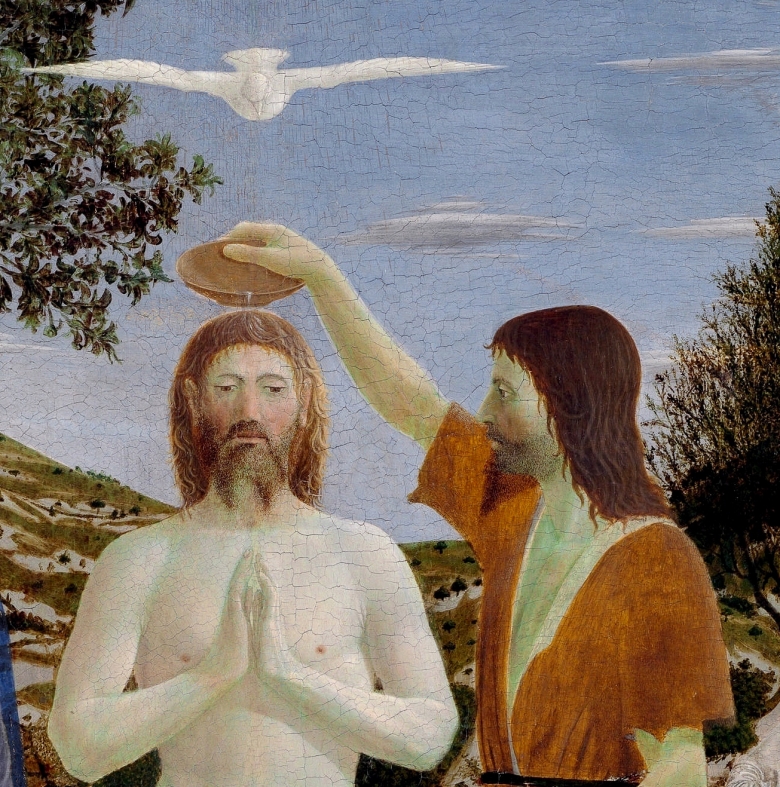
by David Evans The Gospel of Mark is understood by some as having a low Christology. This is understandable, to some extent, in light of the very human aspects of Jesus in the Gospel: he displays a range of emotions (Mark 1:41; 8:12; 3:5; 6:6); he...

by Ryan Lytton *Editor’s note: I recently approached Ryan Lytton (author of the second most viewed post in the history of theLAB) asking him to conduct an interview with Fuller Seminary regarding their upcoming move to Pomona. He responded by...
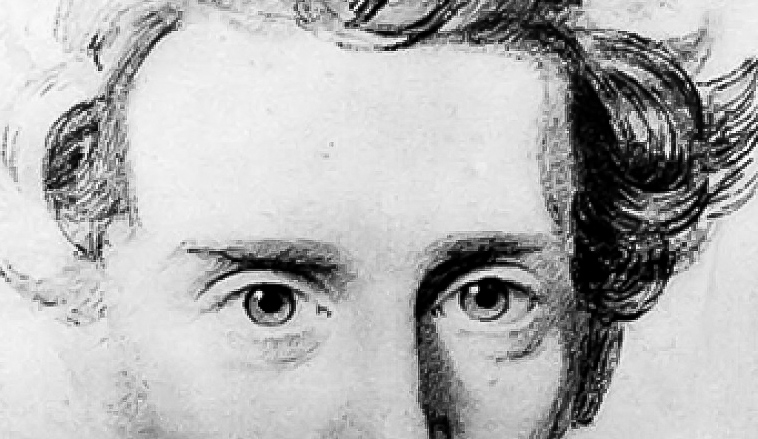
We recently invited Dr. Mark Tietjen to contribute a series of articles on Søren Kierkegaard, to celebrate the soon-to-be released 26-volume Kierkegaard’s Writings on the Logos Digital Library. This is a monumental occasion, given that it has...

My most salient advice for biblical scholars and theologians is: be aware of the diversity of your discipline, and work hard toward inculcating permeable boundaries for the disciplinary city. Those marginal spaces in the discipline are essential for...
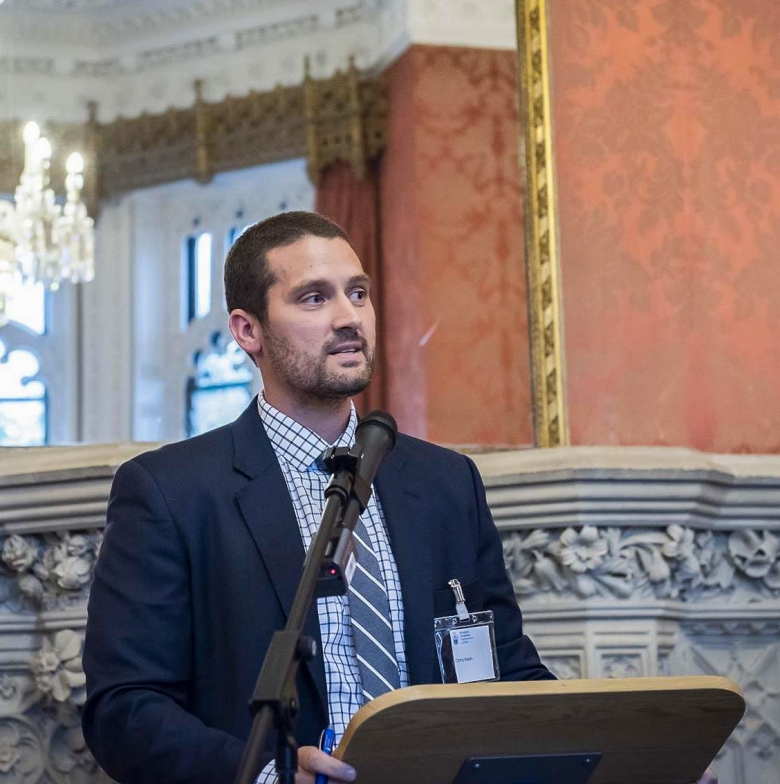
I recently had the opportunity to ask a few questions of Chris Keith, the editor of the prestigious NT monograph series LNTS, the Library of New Testament Studies (T&T Clark/Bloomsbury). His responses were colorful and insightful, giving a hint...

“Humility, faith, faithfulness, worship.”
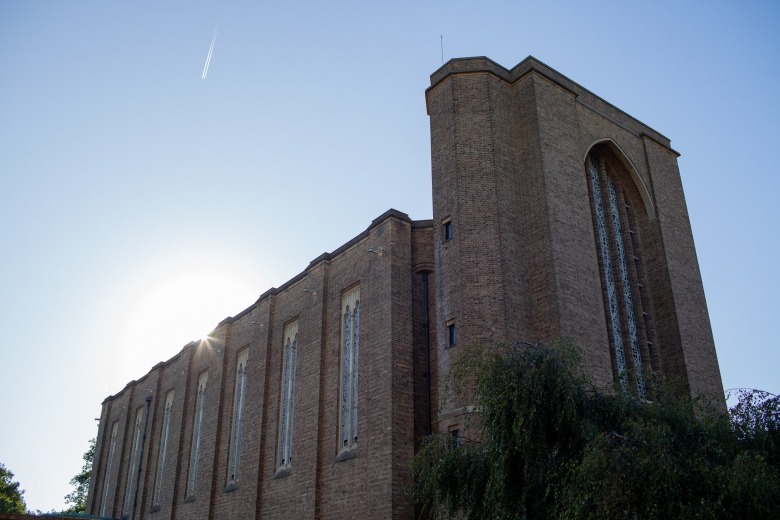
Words and Photos by Tavis Bohlinger Last Friday morning at 6:45 am I boarded a train in SE London for a 1.5-hour journey to West London, where there lies a quaint, little town called Twickenham. There, at St Mary’s University, I was to meet a...
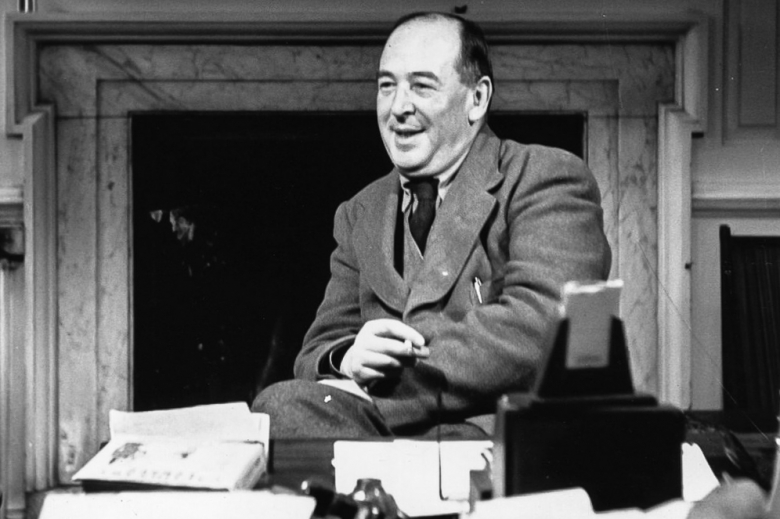
By Adam B. Shaeffer (PhD, Durham University) I love C.S. Lewis. I have read and reread his works more times than I can count. Whenever someone asks me which of his books is my favorite, I point to one that often garners puzzled looks: An Experiment...
A good biblical scholar brings the text to life.

 Didaktikos
by Amy L. Balogh | University of Denver As a professor who teaches Hebrew Bible and Judaic studies courses across Colorado’s Front Range while also working at the University of Denver’s Center for Judaic Studies, my non-Jewish identity is a topic of...
From my perspective, a good biblical scholar is someone who is immersed in the primary sources, has a firm grasp of the history of the discipline, and communicates clearly with and listens to the voices of others.

Words and pictures by Tavis Bohlinger This year’s joint meeting of the International Society of Biblical Literature (ISBL) and the European Association of Biblical Studies (EABS) was held in Helsinki during the last few days of July and into...

by Scott McClelland | South University Students take grades very seriously. Many times, they stick their personality out there, as well as any content, for professors to examine. In response, we place a quantitative score on a qualitative essay...
Plenty of curiosity, along with a good measure of endurance (and occasionally guts) to carry it out.
Peter Malik, Wissenschaftlicher Mitarbeiter, Kirchliche Hochschule Wuppertal/Bethel, Germany
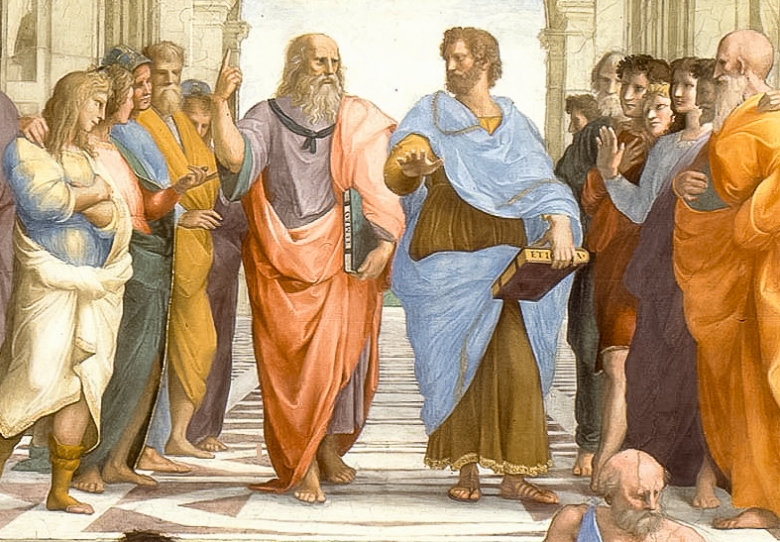
by Logan Williams It is now a general consensus among New Testament scholars that, despite its deviations from Jewish traditions, early Christianity can nevertheless be understood as a Jewish phenomenon. Even so, we all recognize that the “Jewish...
This is a complex question because it requires an attribution of value, which can vary from person to person and generation to generation. But that’s exactly my first point. A good theologian or biblical scholar effectively communicates the...